Loaded dimensions
Length, width and total loaded height determine the usable deck profile and route review.

Instant Logistics coordinates step deck freight for eligible machinery, equipment, building products and industrial cargo across Canada and the United States. Every request starts with the loaded dimensions, weight, loading method, route and site conditions—not an assumed trailer fit.
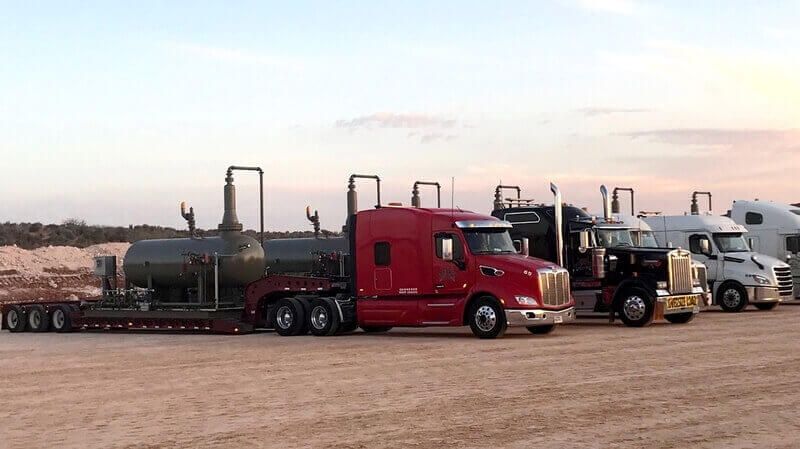
Length, width and total loaded height determine the usable deck profile and route review.
Total weight, point loading, centre of gravity and axle considerations must be confirmed.
Crane, forklift, ramp or other loading requirements affect equipment and site planning.
Legal limits, clearances and permit requirements vary by jurisdiction, configuration and route.
The right equipment depends on the freight—not the service name. This comparison explains the basic decision, while the exact trailer specifications and legal requirements still need confirmation.
Do not rely on generic online dimensions. Deck length, deck height, axle configuration and payload vary by equipment. Use the carrier’s verified specification sheet for the actual unit.
Open access across one deck level for eligible freight that fits the verified height, weight and route requirements.
An upper deck followed by a lower main deck, commonly reviewed when freight needs more vertical clearance than a standard flatbed can provide.
A lower centre well between raised front and rear decks, considered for selected taller or specialized loads that do not fit a standard step deck.
These examples are not automatic approvals. Each shipment requires confirmed cargo data, equipment suitability, securement, route conditions and available capacity.
Skidded, crated or exposed equipment reviewed for loaded height, lift points, securement and site handling.
Eligible units reviewed for dimensions, operating condition, loading method, attachments and deck compatibility.
Packaged components and materials that benefit from open access and fit the selected deck and route profile.
Eligible assemblies reviewed for weight distribution, edge protection, tie-down geometry and loading access.
One-time or phased industrial moves requiring coordinated pickup conditions, sequencing and receiving plans.
Cargo that may not fit standard equipment and needs a verified loaded profile before a trailer is requested.
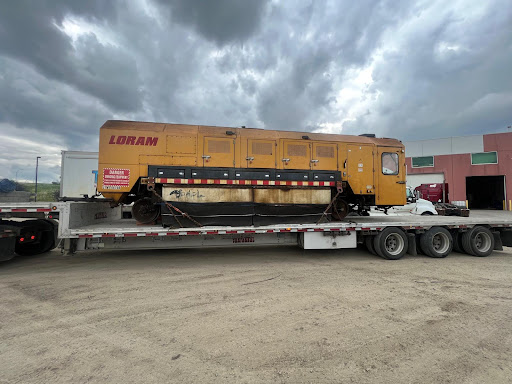
Before equipment is requested, provide the details that affect deck selection, loading, securement, permits and route feasibility. Photographs and technical drawings can help clarify unusual freight.
Commodity, pieces, packaging, length, width, height and total loaded weight.
Crane, forklift, ramp, winch or other equipment available at pickup and delivery.
Addresses, appointments, access limits, ground conditions and overhead clearance.
Protection, securement considerations, permits, escorts, border documents and timing.
Step deck equipment can provide additional vertical clearance, but the complete vehicle-and-load profile still has to be evaluated against the applicable limits and planned route. Oversize or overweight freight may require permits, approved travel conditions, route restrictions or other measures.
For cross-border freight, shipment documents, carrier eligibility, customs responsibilities and border timing must also be aligned before movement. Customs brokerage is not automatically included unless specifically arranged.
Confirm cargo data, loading method, pickup access and responsibilities at the shipping site.
Match the verified load to an eligible trailer configuration and load-specific securement approach.
Review legal limits, clearances, permits, operating conditions and border requirements where applicable.
Confirm appointment, unloading method, receiving access and the agreed communication plan.
Each stage resolves a different risk before dispatch, helping avoid an equipment mismatch at the dock or job site.
Share accurate dimensions, weight, packaging, photographs, addresses and requested dates.
Evaluate deck profile, loading method, securement considerations and both site conditions.
Align legal limits, permits, route conditions, border documentation and operating restrictions.
Match eligible capacity and confirm timing, responsibilities, updates, pickup and delivery details.
Clear answers about step deck equipment, dimensions, permits, cargo fit, securement and Canada–U.S. coordination.
Step deck logistics is the planning and coordination of freight using a trailer with an upper deck and a lower main deck. The lower deck can provide more usable vertical clearance than a standard flatbed, subject to the actual equipment, loaded dimensions and route requirements.
A standard flatbed has one deck level. A step deck drops to a lower main deck after the section above the tractor, which can help accommodate taller eligible freight. Exact deck dimensions, weight limits and configurations vary by trailer.
No. Permit requirements depend on the complete vehicle-and-load dimensions and weight, equipment configuration, jurisdiction and route. A lower deck may help with vertical clearance, but it does not automatically make a load legal.
Eligible industrial machinery, construction or agricultural equipment, fabricated components, building products and other tall or irregular freight may be reviewed. Acceptance depends on cargo details, loading, securement, equipment, route, sites and capacity.
Open-deck equipment can support side or overhead access, while some loads may use ramps or other methods. The cargo, trailer configuration, lift plan and conditions at both sites must be confirmed before booking.
Provide the commodity, number of pieces, packaging, exact length, width, height, weight, origin, destination, requested dates and loading or unloading method. Include photographs, drawings and site restrictions for unusual freight.
Canada–U.S. step deck requests can be reviewed subject to eligible cargo, suitable equipment, carrier capacity, route, permits, documentation and confirmed customs responsibilities. Customs brokerage is included only when specifically arranged.
The communication and visibility method should be confirmed before dispatch. When Logistware tracking is assigned to the shipment, use the Track Shipment link provided by Instant Logistics.
Send the commodity, exact dimensions, weight, photographs, loading method, full addresses and requested dates. Instant Logistics can review the shipment and coordinate an appropriate transportation option around the confirmed requirements.