Building materials
Structural components, beams, roofing, lumber and job-site materials.

Instant Logistics coordinates flatbed trucking for machinery, building materials, steel, equipment and oversized freight. From LTL and full truckload shipments to specialized cross-border moves, we match the cargo with the right open-deck equipment, route plan and communication support.
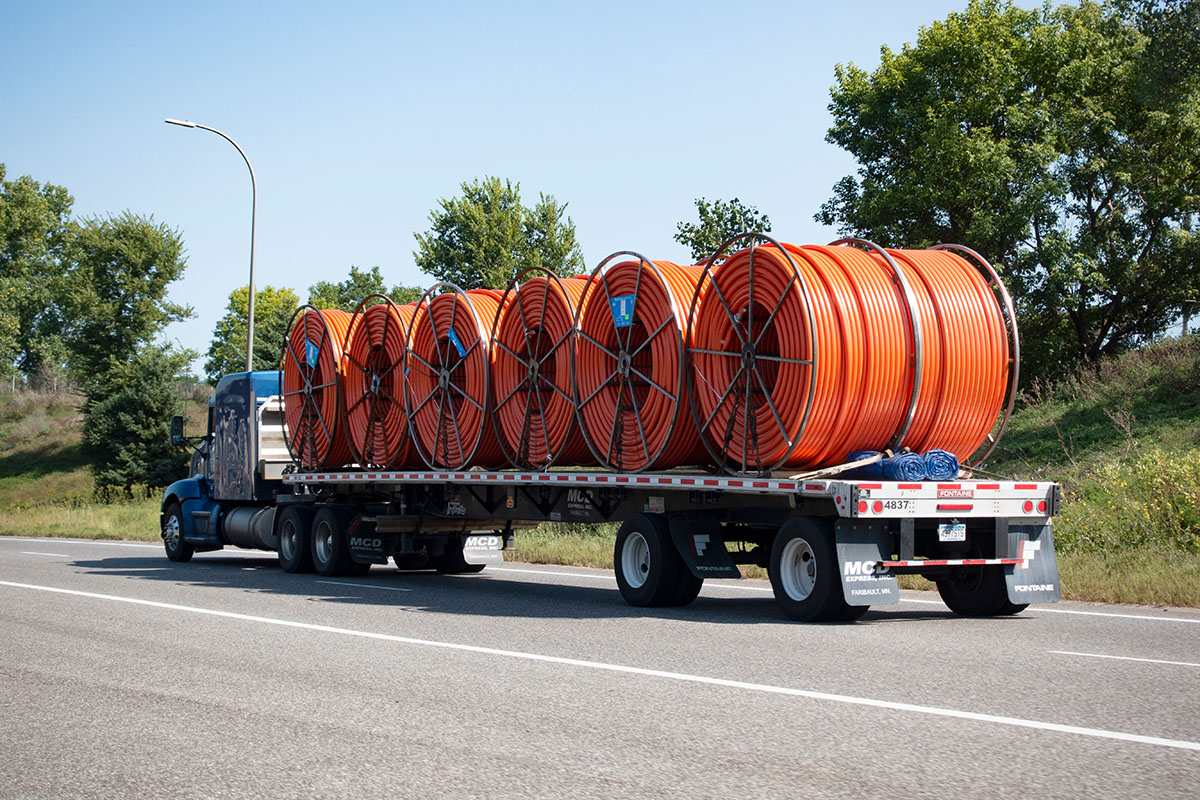
Flatbed logistics services coordinate open-deck trailers for freight that is oversized, heavy, unusually shaped or easier to load from the side or above. A flatbed has no fixed walls or roof, allowing cranes and forklifts to access cargo that may not fit through the doors of an enclosed van. The service can include equipment selection, capacity sourcing, route planning, securement requirements, permits when applicable, shipment updates and delivery coordination.
Dimensions, weight, loading method, route restrictions and weather exposure all affect equipment selection. Instant Logistics coordinates standard and specialized trailer options around the actual shipment requirements.
Flexible open-deck transport for building products, steel, lumber, machinery and freight requiring side or crane loading.
A lower main deck creates additional vertical clearance for taller cargo that may not suit a standard flatbed.
Specialized lower-deck options for tall, heavy machinery and over-dimensional freight requiring added clearance.
Multi-axle configurations may support longer or heavier freight where route, axle and jurisdictional requirements allow.
A retractable tarp system combines open-deck loading access with added protection from road and weather exposure.
For smaller shipments, shared-capacity options may reduce cost when freight dimensions, handling and lanes align.
Open-deck equipment is especially useful when cargo cannot be loaded through a standard trailer door, needs crane or forklift access, or requires a specialized deck height and securement plan.
Structural components, beams, roofing, lumber and job-site materials.
Construction, agricultural and industrial equipment requiring open access.
Coils, tubing, plate, fabricated components and structural steel.
Large crates and containers that benefit from top or side loading.
Tall, wide or long freight requiring route, clearance or permit review.
Production equipment, industrial parts and plant relocation components.
Planned freight movements for construction, energy and infrastructure work.
Stone, bundled materials and other freight suited to open-deck handling.
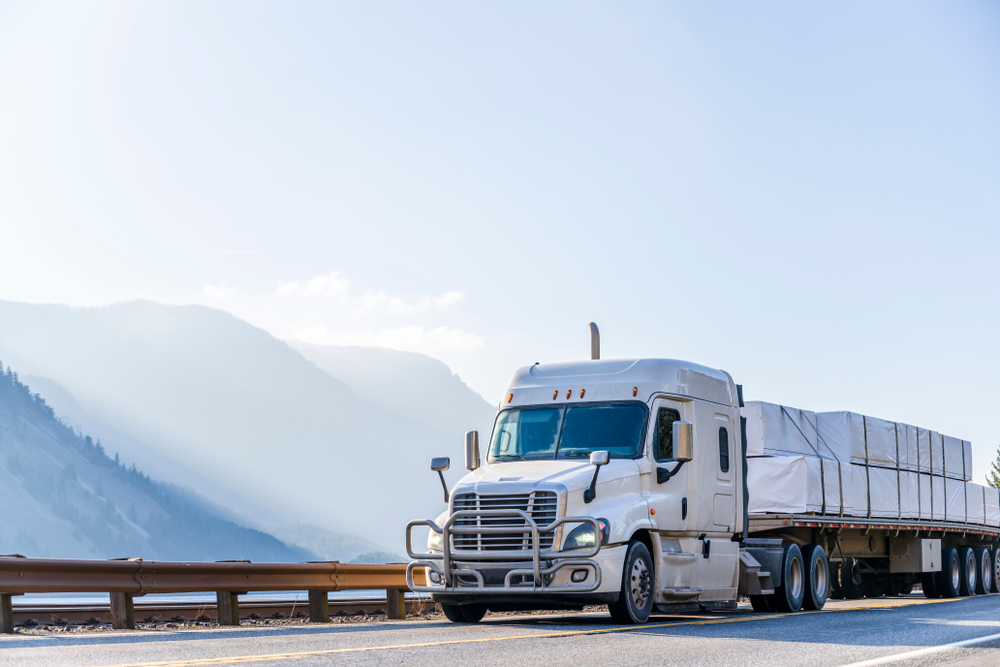
Flatbed trailers make it easier to load long, heavy and irregular freight with forklifts or cranes. That access can reduce handling constraints at plants, yards and job sites—but it also makes accurate dimensions, securement planning and weather-protection requirements essential before dispatch.
Discuss your cargo requirementsThe right result starts before the truck arrives. Each shipment is reviewed around cargo dimensions, handling, equipment, lane requirements and the information needed to keep pickup and delivery aligned.
Confirm the commodity, count, dimensions, weight, value, loading method and any weather-protection requirements.
Select a flatbed, step deck, double drop, B-train, multi-axle or covered open-deck option suited to the cargo.
Review capacity, timing, securement, route restrictions, border requirements and permits when the shipment requires them.
Manage pickup communication, shipment visibility, schedule updates and delivery details through one responsive team.
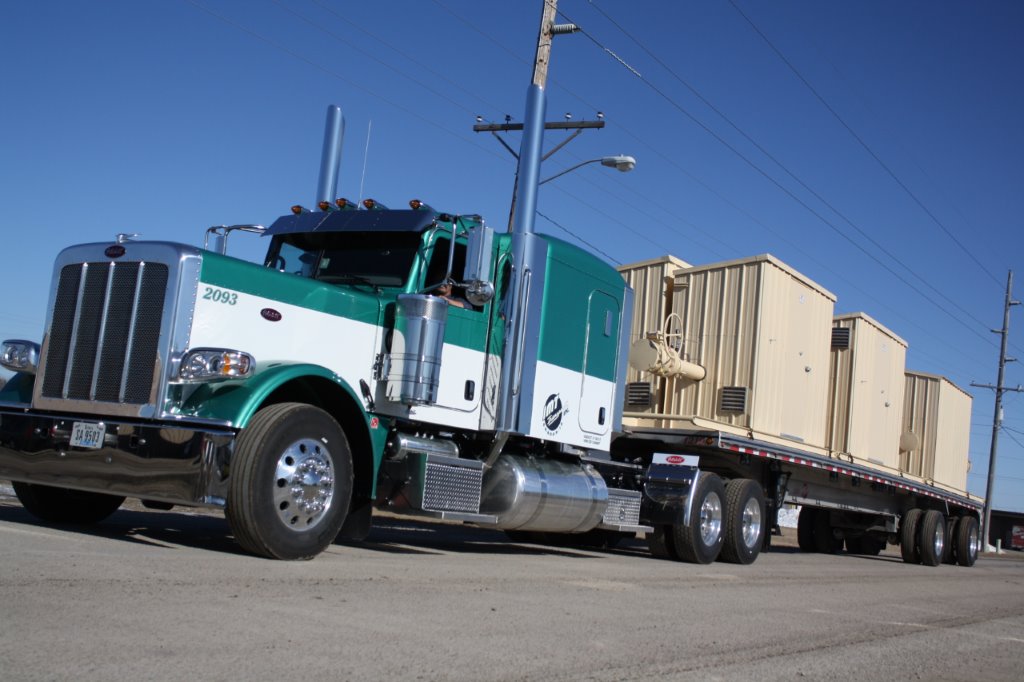
Instant Logistics coordinates flatbed freight within Canada and between Canadian and U.S. origins and destinations. Existing service lanes include movements from Toronto and Vancouver toward California, Nevada and Arizona, alongside regional and nationwide Canadian freight.
LTL shipping combines smaller freight with other compatible shipments when capacity and handling requirements align. The best trailer type depends on dimensions, loading access, weather exposure, security and the cargo itself.
| Decision factor | Flatbed LTL | Van LTL |
|---|---|---|
| Best suited for | Heavy, oversized, long or irregular freight. | Smaller, standard-sized and packaged shipments. |
| Loading access | Side, rear or overhead access with forklifts and cranes. | Primarily rear loading through enclosed trailer doors. |
| Weather protection | Tarping or covered open-deck equipment may be arranged when required. | Fixed walls and roof provide enclosed protection. |
| Typical freight | Machinery, steel, building materials and large equipment. | Consumer goods, electronics, food products and cartons. |
| Key planning need | Dimensions, securement, loading method and route clearance. | Pallet count, dimensions, stackability and handling requirements. |
Not sure which option fits? Send the cargo dimensions, weight, pickup and delivery details to Instant Logistics for an equipment review.
Accurate shipment details help identify the right equipment, avoid rework and produce a more useful quote.
Use a flatbed when freight is too large or unusually shaped for an enclosed trailer, requires loading from the side or above, or is delivered to a location where open access is important. A dry van is usually better for standard packaged freight that needs fixed weather and security protection.
Yes. Instant Logistics coordinates smaller flatbed LTL shipments, quarter loads and dedicated full truckloads. Availability depends on the cargo profile, lane, handling requirements and timing.
Options include 53-foot flatbeds, step decks, double drops and lowboys, B-trains, 6–7 axle configurations, Roll Tite or Conestoga trailers and other equipment selected around the load.
Yes. Depending on the cargo, the plan may include tarps or a retractable Roll Tite/Conestoga system. Tell the coordinator about moisture sensitivity, finished surfaces and handling restrictions before equipment is booked.
Yes. Oversized freight may require specialized equipment, route and clearance review, permits, escorts or other jurisdiction-specific planning. Final requirements depend on the shipment dimensions, weight, route and applicable regulations.
Yes. Instant Logistics coordinates flatbed freight moving within Canada and between Canada and the United States, including communication around capacity, shipment documentation, routing and delivery requirements.
Provide the commodity, piece count, exact length, width, height and weight, declared value, pickup and delivery locations, loading and unloading methods, tarp requirements, target dates and any known permit or site-access considerations.
Send the freight dimensions, weight, lane, loading method and delivery requirements. Instant Logistics will review the cargo and coordinate an equipment option around the shipment.
Prefer to speak with the team? Call +1 226-289-1414 or email Customerservice@instantlogistics.ca.