
Canadian & cross-border food freight

Food and beverage logistics built around product condition.

Coordinate dry, chilled and frozen food freight across Canada and the United States with the equipment, temperature instructions, sanitation expectations, appointments and communication plan defined before pickup.

  • Dry, chilled & frozen freight
  • Canada–U.S. road coordination
  • Appointment and status updates
Shipment condition plan
Requirements review
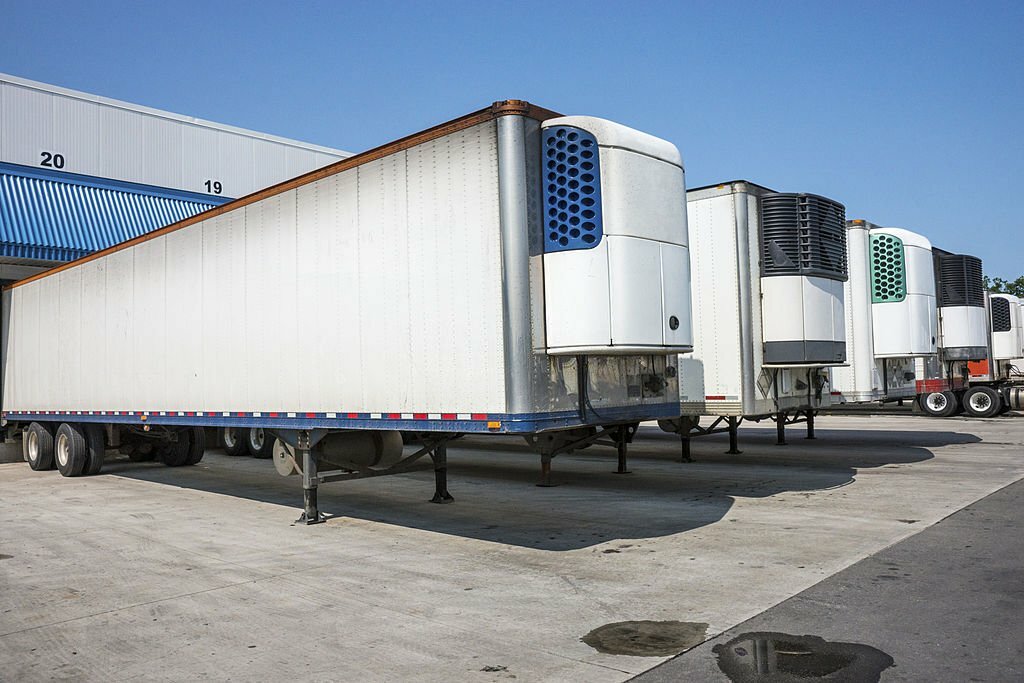
Refrigerated trailer for temperature-controlled food and beverage freight transportation
Lane 01Dry & shelf-stable
Lane 02Chilled & perishable
Lane 03Frozen & protected
The shipper’s written product, sanitation and temperature requirements guide equipment selection and the transportation plan.
Temperature planningSet point and operating mode recorded
Trailer requirementsCleanliness, condition and prior-load criteria
Appointment controlPickup and receiving windows coordinated
Shipment visibilityUpdates aligned with the confirmed plan

A clear answer

What is food and beverage logistics?

Food and beverage logistics coordinates the movement of packaged food, ingredients and beverages while protecting the condition specified by the shipper. The plan can include sanitary-equipment criteria, dry or temperature-controlled capacity, loading practices, segregation, appointment requirements, shipment records and communication from pickup through delivery.

Three transportation lanes

Match the equipment to the product—not the label

“Food freight” does not automatically mean refrigerated freight. Product condition, packaging, season, trip length and the shipper’s written instructions determine the equipment plan.

Dry

Shelf-stable freight

Packaged products and ingredients that do not require active refrigeration may move in suitable dry-van equipment.

  • Clean, dry and odour-free trailer criteria
  • Moisture and contamination protection
  • Pallet, securement and receiver requirements
Chilled

Refrigerated freight

Products requiring maintained chilled conditions need the temperature instructions and operating method confirmed before loading.

  • Required set point and acceptable range
  • Pre-cooling and loading-temperature instructions
  • Continuous or cycle operation where specified
Frozen

Frozen freight

Frozen products require equipment and operating instructions designed to maintain the condition presented at pickup.

  • Product condition confirmed before release
  • Airflow and loading-pattern requirements
  • Temperature-record expectations identified

Transport refrigeration is generally planned to maintain product condition during transit—not to rapidly chill or freeze warm product. Loading condition, product temperature and acceptance procedures should be agreed before pickup.

Commodity-aware planning

Food freight profiles we can review

These examples describe planning categories, not automatic acceptance. Final capacity depends on the exact product, packaging, temperature, route and carrier requirements.

Packaged foods

Shelf-stable cases, cartons and palletized finished goods.

Beverages

Bottled, canned and packaged beverage freight with weight and securement planning.

Frozen products

Packaged frozen food requiring maintained temperature-controlled transportation.

Produce & perishables

Eligible produce and perishable freight with ventilation and condition instructions.

Food ingredients

Packaged ingredients with contamination, moisture and compatibility requirements.

Retail-ready shipments

Appointment-driven freight moving to warehouses, distributors and retail facilities.

Before capacity is sourced

Build the shipment condition brief

A food freight quote needs more than origin, destination and weight. Send the product and operating instructions early enough to match the trailer and carrier correctly.

01
Commodity & packaging

Describe the exact food or beverage, case type, pallet count and packaging condition.

02
Required condition

State dry, chilled or frozen service and whether temperature control is for safety or quality.

03
Temperature instructions

Provide the set point, acceptable range, unit mode and any temperature-record requirement.

04
Trailer criteria

Identify cleanliness, prior-load, odour, washout, seal or equipment requirements.

05
Loading method

Include pallet pattern, airflow, securement, segregation and dock-equipment needs.

06
Facility appointments

Share booking numbers, delivery windows, receiving rules and potential detention conditions.

07
Route & border data

Confirm origin, destination, importer or consignee details and customs readiness.

08
Acceptance procedure

Define temperature checks, seal verification, rejection thresholds and proof-of-delivery needs.

Equipment readiness

A food trailer check starts before loading

The required check depends on the product and the written instructions. The loader, carrier and shipper should know who verifies each condition and how it will be recorded.

Clean and visibly suitable

Interior condition, debris, moisture and obvious contamination concerns checked.

Odour and prior-load review

Compatibility assessed where the shipper or product requires it.

Temperature equipment checked

Set point, mode, fuel and apparent unit operation confirmed as assigned.

Pre-cooling handled correctly

Pre-cooling instruction and verification assigned before loading begins.

Airflow protected

Load pattern and space around return and discharge paths considered.

Doors and seals ready

Door condition, closure and seal-number procedure agreed.

Segregation instructions set

Mixed-load, allergen and non-food compatibility requirements identified.

Records and contacts ready

Shipping references, emergency contacts and exception process available.

Responsibilities stay visible

Each handoff has an owner

Applicable duties depend on the function each party performs and any valid written agreements. The transportation plan should state who supplies, checks and records every requirement.

Shipper

Define conditions

  • Identify food-safety and quality requirements.
  • Provide written temperature and sanitary instructions.
  • Communicate product, packaging and compatibility information.
  • Define records and acceptance criteria.
Loader / receiver

Verify handoffs

  • Check assigned equipment and pre-cooling conditions.
  • Load to protect airflow and prevent contamination.
  • Inspect seals, product condition and receiving criteria.
  • Document exceptions and disposition decisions.
Carrier

Execute transport

  • Provide suitable equipment under assigned requirements.
  • Follow operating, sanitation and record instructions.
  • Protect freight during transportation.
  • Communicate delays or condition exceptions.
Coordinator

Align the plan

  • Collect shipment requirements for quoting.
  • Source potentially suitable carrier capacity.
  • Coordinate appointments and communication.
  • Support status and exception updates.

Condition-first workflow

From product profile to receiving dock

The plan is built to resolve equipment, temperature and appointment questions before the shipment is released.

Profile the product

Confirm commodity, packaging, weight and required condition.

Set requirements

Record temperature, sanitation, segregation and trailer criteria.

Source capacity

Match a potentially suitable carrier and equipment type.

Book facilities

Align pickup, delivery, references and receiving windows.

Confirm release

Verify assigned checks and shipment instructions before loading.

Coordinate delivery

Provide updates and support exception communication through POD.

Cross-border food freight

Canada–U.S. moves need transport and food-entry readiness

Equipment availability is only one part of a border shipment. The food business must determine its import, export, licensing, traceability and product-specific obligations. Instant Logistics coordinates the road movement around the confirmed shipment and customs plan.

CA
CanadaSFCR and product-specific duties

Food businesses determine applicable preventive controls, traceability, licensing and conveyance requirements.

US
United StatesFSMA sanitary transportation

Covered shippers, loaders, carriers and receivers have role-based sanitary-transportation requirements.

Requirements vary by product and activity. Use qualified food-safety and customs professionals to determine the legal obligations for a specific shipment.

Common questions

Food and beverage logistics FAQ

Start with the product condition and facility requirements. Those details determine whether the shipment can be planned correctly.

What information is needed for a food freight quote?

Provide the exact commodity, packaging, pallet count, weight, dry/chilled/frozen condition, temperature set point and range when applicable, trailer criteria, pickup and receiving appointments, origin, destination and any sanitation, prior-load, seal, temperature-record or acceptance requirements.

Does all food and beverage freight need a refrigerated trailer?

No. Shelf-stable packaged food and beverages may move in suitable dry vans, while chilled and frozen products can require refrigerated equipment. The shipper’s product and transportation requirements determine the correct service.

Who provides the required shipping temperature?

The shipper or responsible food business should provide the written product-temperature and operating instructions. Instant Logistics uses those instructions when coordinating equipment and carrier capacity; it does not independently establish a safe temperature for the product.

Can a refrigerated trailer cool warm product after loading?

Transportation refrigeration is generally planned to maintain the product condition presented at loading. Do not assume a trailer will rapidly chill or freeze product. Confirm loading temperature, pre-cooling and acceptance procedures before pickup.

Can you coordinate Canada–U.S. food shipments?

Instant Logistics can review eligible cross-border road shipments. The food business remains responsible for applicable importer, exporter, licensing, customs, traceability and product-specific requirements, while transportation capacity remains subject to route and carrier availability.

Do you guarantee food-safety compliance or product condition?

No blanket guarantee is stated. Food safety depends on the product, packaging, preparation, loading, equipment, operating instructions, involved parties and receiving decisions. Each party must meet the legal and contractual duties assigned to its role.

How are shipment updates provided?

Status communication is coordinated according to the confirmed transportation plan and the carrier’s available systems. Temperature records, tracking method and update frequency should be agreed before pickup when required.

Start with the product profile

Request a food and beverage freight quote

Send the commodity, packaging, quantity, required condition, origin, destination and timing. Instant Logistics will review the request and confirm whether suitable transportation capacity can be pursued.

Important: This page provides general transportation information, not food-safety, customs or legal advice. Requirements and capacity vary by product, packaging, temperature, jurisdiction, route and the functions performed by each party. Shipment acceptance is subject to review and confirmation.