1
Explosives
Articles and substances with explosion hazards; specialized classification and authorization can apply.

Canadian dangerous goods & U.S. hazmat freight
Coordinate eligible dangerous goods and hazardous materials by road across Canada and the United States—with the classification data, documentation, carrier fit and communication plan reviewed before dispatch.
A clear answer
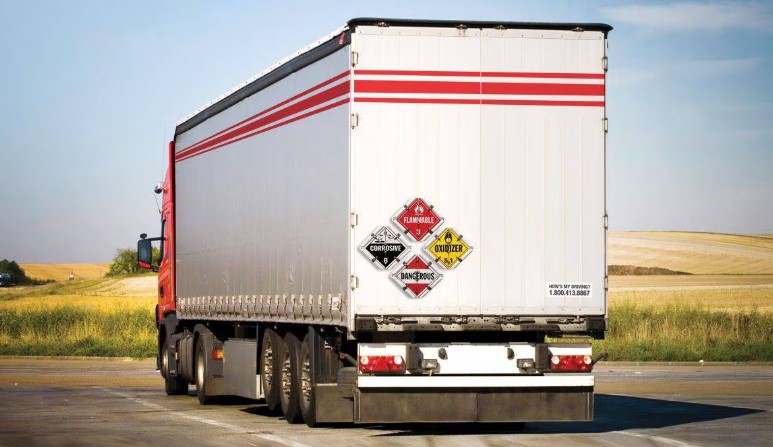
Hazmat logistics services coordinate the movement of regulated freight by aligning the shipper’s product classification and shipment information with suitable packaging or means of containment, documentation, safety marks, trained parties, carrier credentials, equipment, routing and communication requirements. The exact rules depend on the product, quantity, package, origin, destination and mode.
Hazard-class context
Class is only one part of the decision. Subsidiary hazards, packing group, quantity, containment, compatibility, special provisions and route can change what is required.
Articles and substances with explosion hazards; specialized classification and authorization can apply.
Flammable, non-flammable, non-toxic or toxic gases in regulated pressure containment.
Liquids assigned to Class 3 based on defined transport criteria and product properties.
Includes divisions for flammable solids, spontaneous combustion and dangerous-when-wet materials.
Oxidizing substances and organic peroxides that can present distinct handling and temperature concerns.
Toxic substances and infectious substances with specialized classification and containment rules.
Regulated radioactive contents subject to specialized packaging, documentation and authority requirements.
Liquids or solids meeting regulated corrosivity criteria for transportation.
Other regulated hazards, including products assigned to Class 9 under applicable rules.
This is an educational class overview—not an acceptance list. Instant Logistics does not represent that every product, class, division, packing group, quantity or route is available. Each request requires a shipment-specific review.
Before capacity is sourced
A precise quote starts with precise cargo data. Providing the regulated information early helps determine whether the shipment, equipment, carrier and route can be considered.
Provide the correct regulated identity, including a technical name where required.
Include division, compatibility group and all subsidiary classifications that apply.
State Packing Group I, II or III when one is assigned to the product.
Include total regulated quantity, units and the number of packages or containers.
Describe package, drum, IBC, cylinder, tank or other approved containment details.
Share current product information while keeping transport classification separately verified.
Include site restrictions, border crossing needs and requested pickup/delivery dates.
Identify ERAP, permits, control temperature, security or other product-specific requirements.
Roles stay clear
Logistics coordination supports the movement, but it does not transfer every regulatory duty away from the parties that classify, offer, handle or transport the goods.
A safety data sheet can be useful product information, but it is not a substitute for correct transportation classification, compliant packaging or complete shipping documentation. Use a qualified dangerous-goods professional when the classification or requirements are uncertain.
Readiness workflow
The objective is to identify gaps before the truck is scheduled—not at the dock.
Share classification, quantity, containment, route, dates and supporting documents.
Identify shipment-specific restrictions, documentation and special requirements.
Source carrier credentials, equipment and operating capability around the load.
Align sites, pickup window, route, communication and delivery expectations.
Resolve missing information before the carrier takes possession of the freight.
Provide updates and manage communication according to the confirmed plan.
Cross-border hazmat transportation
For eligible road freight crossing the border, the plan must account for both the origin requirements and the rules that apply at the destination. Reciprocity provisions can help in specific circumstances, but they do not eliminate every Canadian or U.S. requirement.
Dangerous goods classification, documents, marks, containment and applicable Canadian conditions.
Hazardous-material shipping papers, communication, packaging and carrier requirements.
Common questions
These answers provide planning context only. Shipment-specific regulations and qualified advice control.
Start with the UN number, proper shipping name, primary and subsidiary class, packing group if applicable, total quantity, package count, means of containment, origin, destination, dates and any ERAP, permit, security or temperature requirements. Include current technical information such as an SDS, but do not rely on the SDS alone as the transport classification.
They describe regulated transportation hazards in different legal systems. Canada commonly uses “dangerous goods” under the TDG framework; the United States uses “hazardous materials” under the HMR. The classifications overlap significantly, but the exact requirements and exceptions must be checked for the shipment and route.
The shipper or consignor must provide a correct classification and shipment prepared for transport. Instant Logistics coordinates freight movement based on the information supplied; it does not replace the qualified person, consignor, carrier or regulator responsible for classification, packaging, certification or legal compliance.
No. An SDS may support the review, but transportation also requires the correct regulated shipping description and any applicable packaging, containment, marks, labels, placards, shipping papers, emergency information and certifications.
No blanket acceptance is stated. Availability depends on the exact product, class and division, subsidiary hazards, packing group, quantity, containment, origin, destination, route, permits, carrier capability and other applicable conditions. Acceptance must be confirmed shipment by shipment.
Instant Logistics can review requests for eligible Canada–U.S. road freight. Cross-border movement depends on shipment details, carrier and route availability, and compliance with the requirements that apply in both countries.
Status communication is coordinated according to the confirmed transportation plan and the carrier’s available systems. The exact update method and frequency should be agreed before pickup.
Related freight capabilities
Regulated freight may also require specialized deck, temperature or equipment planning. Explore the services most often connected to complex shipments.
Start with the shipment data
Send the regulated product identity, quantity, containment, route and timing. Instant Logistics will review the request and confirm whether suitable transportation capacity can be pursued.
Important: This page is general service information, not regulatory or legal advice. Requirements and capacity vary by product, quantity, packaging, jurisdiction, route and mode. Shipment acceptance is subject to review and confirmation by the responsible parties.