Side access
The curtain can retract to support eligible loading or unloading from the side of the deck.

Coordinate eligible freight using rolling-tarp equipment that can open for side, rear or overhead loading and close around the cargo for transportation. Instant Logistics reviews the load, loading method, protection needs, route and site conditions before confirming the service.
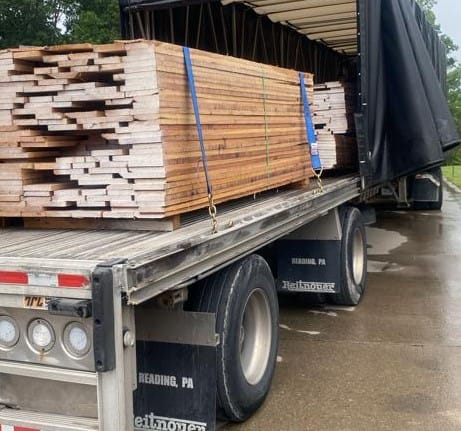
The curtain can retract to support eligible loading or unloading from the side of the deck.
Selected configurations may support crane or overhead loading when the equipment and site allow it.
The retractable tarp closes around the deck to reduce exposure during transportation.
The enclosure and the securement system perform different jobs. Cargo still needs to be positioned and secured according to its characteristics, the equipment and applicable requirements.
Provide retractable cover around eligible cargo while preserving open-deck loading access before the system is closed.
Cargo securement, dimensions, weight, deck loading, tarp clearance, route, site access and operating conditions.
Equipment should be selected from the shipment profile, not from a general preference for covered or open-deck freight.
These are examples, not automatic approvals. Exact dimensions, weight, packaging, securement and equipment availability must be reviewed.
Bundled lumber, manufactured components and eligible materials that benefit from side loading and covered movement.
Confirm packagingEligible units that fit the trailer profile and can be loaded, positioned and secured without obstructing the tarp system.
Confirm dimensionsEligible fabricated assemblies and packaged steel products reviewed for deck loading, securement and protection needs.
Confirm securementCrated or packaged freight that needs open loading access but does not require a sealed or temperature-controlled trailer.
Confirm handling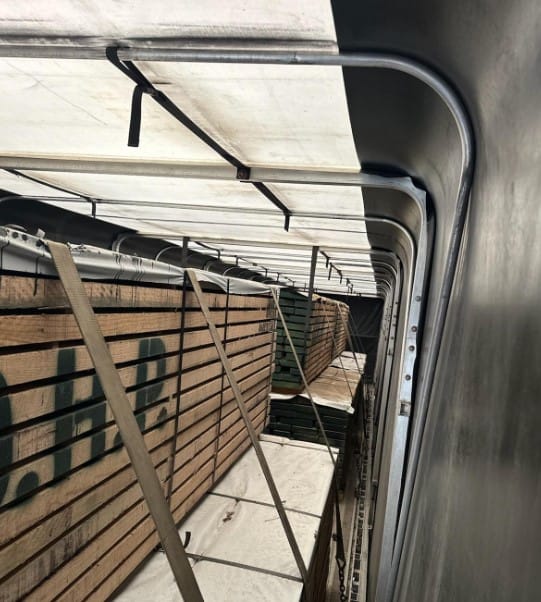
A useful quote and a workable loading plan depend on accurate cargo and site information supplied before capacity is requested.
Commodity, pieces, packaging, length, width, height, total weight and centre of gravity when relevant.
Forklift, crane, rear loading, side loading, overhead access and any required site equipment.
Tie-down points, blocking, bracing, edge protection and other load-specific considerations.
Loaded dimensions, tarp travel, interior frame, deck position and route limitations.
Each stage narrows the equipment and operating requirements before dispatch.
Share the commodity, packaging, dimensions, weight, quantity and requested dates.
Confirm loading and unloading methods, appointments, clearances and site restrictions.
Evaluate deck profile, rolling-tarp clearance, securement and available carrier capacity.
Align responsibilities, timing, communication and any specialized requirements before dispatch.
Clear answers about equipment access, weather protection, securement, cargo fit and service availability.
A Roll Tite trailer uses a retractable tarp and frame system around an open deck. The system can open to provide loading access and close around eligible cargo for covered transportation.
No. Roll Tite equipment combines open-deck access with a retractable cover, while a dry van uses a fixed enclosed body. Freight requiring a sealed or controlled interior may be better suited to dry van or refrigerated equipment.
No. The tarp system provides cover around the load, but the cargo must still be positioned and secured using methods appropriate to the commodity, equipment and applicable requirements.
Eligible building products, machinery, fabricated products, packaged steel and crated industrial freight may be reviewed. Suitability depends on dimensions, weight, loading method, securement, clearance, route, sites and available equipment.
Many rolling-tarp configurations can open for side loading, and selected equipment may support overhead access. The exact trailer design, cargo and site conditions must be confirmed before booking.
No absolute weatherproof guarantee should be assumed. The retractable enclosure reduces exposure, but cargo condition, packaging, equipment condition, closure, weather and operating circumstances still matter. Protection requirements must be stated and confirmed.
Canada–U.S. Roll Tite requests can be reviewed subject to eligible cargo, suitable equipment, carrier capacity, route, documentation and confirmed customs responsibilities. Customs brokerage is not automatically included unless specifically arranged.
Send the commodity, dimensions, weight, packaging, loading method, full addresses and requested dates. Instant Logistics can review the shipment and coordinate an appropriate transportation option around the confirmed requirements.